


Computers(コンピューター)are everywhere—from the tiny chips inside our wristwatches to the spacecraft exploring distant worlds.
They are essential to modern life, shaping how we learn, work, and communicate.
At their core, computers perform one primary function: they process information(情報 じょうほう).
With incredible speed, they convert numbers or data (データ data)into images, sounds, and words that humans can understand.
Inside every computer, hardware(ハードウェア)and software(ソフトウェア)work together to perform these operations.
Hardware forms the physical structure—the circuits(回路 かいろ), CPU(シーピーユー), and memory(メモリ)that store and move data.
Software is the set of instructions(命令)that controls how the hardware operates through programs and systems(OS オーエス).
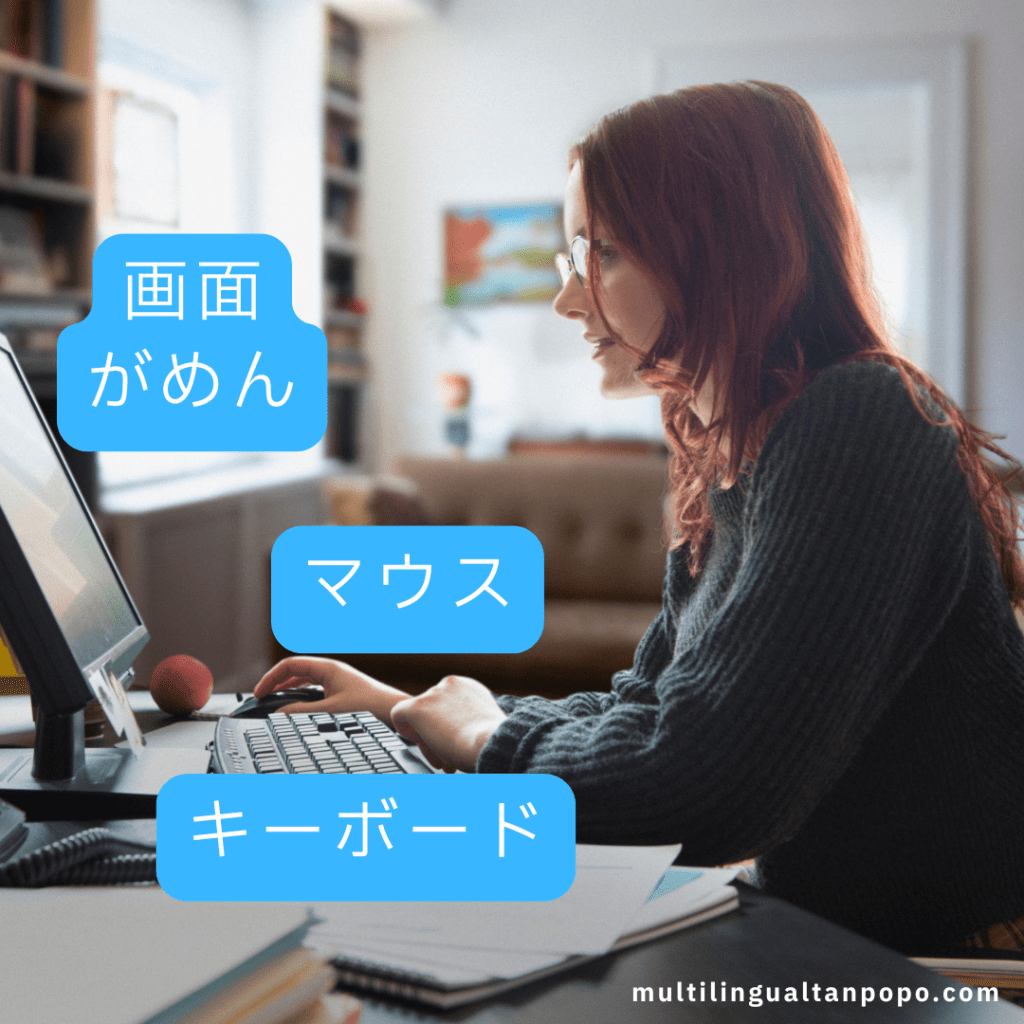
From the personal computer(パソコン)on your desk and the screen(画面 がめん)you read from,
to the keyboard(キーボード)and mouse(マウス)you use to input commands,
every component allows humans to interact efficiently with the machine.
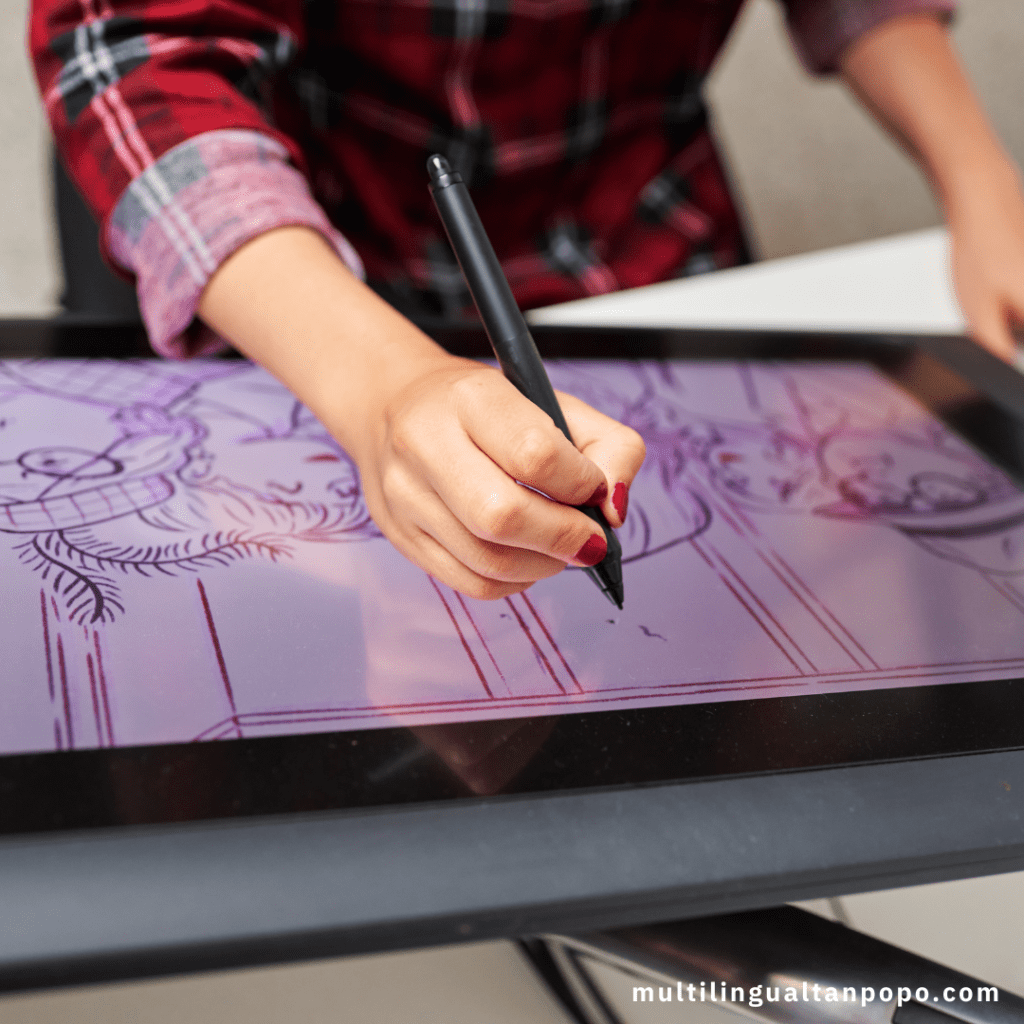
Together, hardware and software enable countless applications—
doctors analyzing digital scans, students learning across oceans, and engineers operating probes beyond Earth.
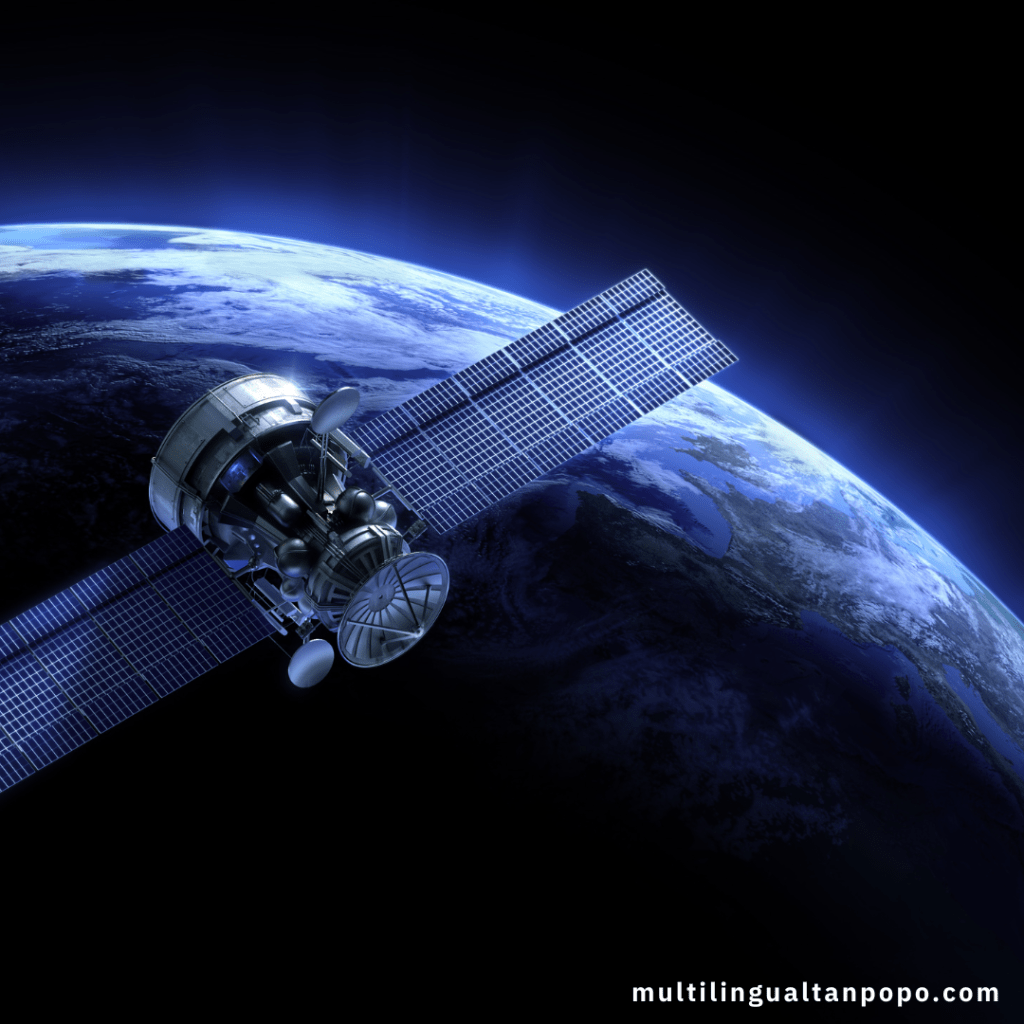
The computer is more than a tool of calculation;
it is a system that extends human capability—combining logic(論理 ろんり), creativity(創造力 そうぞうりょく), and curiosity(好奇心 こうきしん)through code(コード)and electrical signals(電気信号 でんきしんごう).
One minute, one wonder.
Until next time—keep exploring words and worlds.
KEY TERMS
コンピューター computer
パソコン personal computer (PC)
画面 がめん screen
キーボード keyboard
マウス mouse
情報 じょうほう information
データ data
回路 かいろ circuit
CPU シーピーユー central processing unit
メモリ memory
ハードウェア hardware
ソフトウェア software
OS オーエス operating system
命令 めいれい instruction
論理 ろんり logic
創造力 そうぞうりょく creativity
好奇心 こうきしん curiosity
電気信号 でんきしんごう electrical signal
コード code

 TANPOPO